Understanding the Core of Restful Sleep: An Educational Guide to Innerspring Mattresses
A comprehensive, editorial-style resource that breaks down how innerspring systems work, how they compare to other technologies, and how to maintain and choose the right one for your sleep needs.
Sleep is a nightly investment in health, mood, and productivity. Yet the backbone of many beds—the innerspring system—often remains a mystery to shoppers and curious sleepers alike. This guide dives into the world of innerspring mattresses, exploring the mechanics, the history, and the practical tips that help you choose and care for these time-tested sleep performers. Drawing on industry insights, consumer guidance, and a bit of design storytelling, we aim to illuminate the core of restful sleep: the inner springs that support you.
What is an innerspring mattress, and how does it work?
At its heart, an innerspring mattress relies on a network of metal coils—commonly made of steel—that form the primary support system. These coils are arranged in different configurations to balance support, contour, and durability. The sleep experience—firm, plush, or somewhere in between—emerges from the interplay of these coils with comfort layers above and a sturdy base below.
The most common coil designs include:
- Bonnell coils — traditional interconnected coils offering a bouncy, widely used construction.
- Pocketed coils — individual encasement around each coil to reduce motion transfer and improve contouring.
- Offset coils — a design that aims to provide stable support with improved conforming properties.
While the coil type influences feel and support, the surrounding comfort layers—such as memory foam, latex, natural fibers, or micro-coils—shape temperature, pressure relief, and overall sleeping experience. In high-quality models, the coils work in concert with edge support systems and reinforced bases to deliver enduring comfort and stability.
A historical lens: how innersprings evolved
Innerspring technology has a storied past, tracing back to innovations in coil design that aimed to improve durability, comfort, and support. Early beds used simple coil systems, but as sleep science advanced, manufacturers experimented with coil density, gauge (thickness of the steel), and pocketing to reduce motion transfer and sag. The result has been a spectrum of options—from classic Bonnell constructions to modern, meticulously engineered pocketed coil systems that emphasize targeted support and airflow.
Today’s market reflects a blend of heritage and innovation. Brand builders tell stories of craftsmanship, localization, and luxury, while engineers push for better materials, more precise coil patterns, and sustainable production. For consumers, this history is a reminder that innersprings are not a single product but a family of technologies with a shared core principle: a resilient, responsive support system to hold the spine in natural alignment while you rest.
Maintenance, lifespan, and how to extend the life of an innerspring mattress
Durability is a major factor when evaluating mattress value. An innerspring bed with a well-constructed coil system and quality comfort layers can last longer than many people expect, particularly when cared for with regular maintenance. Here are practical guidelines to maximize lifespan and keep the bed feeling supportive and comfortable.
- Rotation and flipping: Rotating the mattress 180 degrees (and flipping where appropriate) helps distribute wear more evenly, reducing localized sag.
- Support and foundation: A solid foundation or slatted base that supports the full surface area prevents edge sagging and premature coil fatigue.
- Temperature and humidity: A cool, dry sleeping environment helps maintain the integrity of comfort foams, latex, and fabrics above the coils.
- Cleanliness and allergies: Regularly vacuuming the surface, using a mattress protector, and addressing dust mites or allergens can prolong usability and comfort.
- Spine alignment: If you wake with stiffness, consider a mattress with a different firmness level or added lumbar support.
Innerspring construction varies widely, but a well-chosen model paired with appropriate maintenance can maintain comfort and support for a decade or longer for many sleepers. The key is to align the coil design, edge support, and comfort layer quality with your sleep preferences and body type.
Firmness, support, and how to choose the right innerspring for you
Choosing the right firmness is rarely a one-size-fits-all decision. Sleep position, weight distribution, and personal preferences all influence what feels most supportive. In general, the following guidelines help shape your selection:
- Sleep position matters: Side sleepers often prefer a plush to medium-plush feel to cushion shoulders and hips, while back and stomach sleepers may lean toward a firmer feel for spinal alignment.
- Body weight considerations: Lighter sleepers may experience enough contour with softer feels, while heavier sleepers might benefit from firmer supports and reinforced edge systems.
- Coil count and gauge: Higher coil counts with tighter gauges can offer enhanced support and reduced sag, though comfort is ultimately personal.
- Edge support: Strong edge reinforcement prevents roll-off and keeps the entire surface usable, especially for couples.
Related to this, consider the role of hybrid models that blend innerspring cores with memory foam or latex layers. These hybrids aim to combine the responsiveness of coils with the contouring and pressure relief of foam or latex, addressing a range of sleep preferences without sacrificing durability.
Spotlight on select innerspring models (illustrative picks)
To illustrate how an exceptional innerspring bed can feel and perform, we highlight a pair of standout examples that embody luxury, durability, and thoughtful engineering. Note that these mentions are presented for educational context and do not serve as direct endorsements.
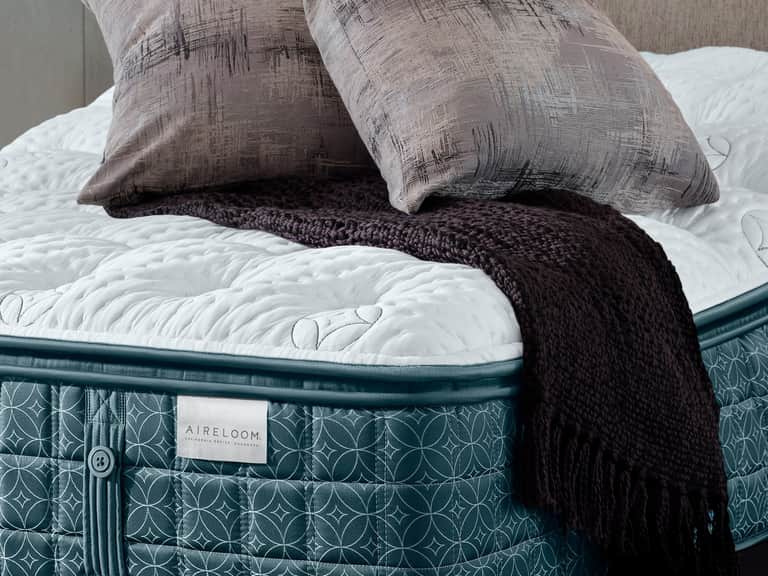
Aireloom Luxetop M2 Plush (luxury plush innerspring)
Aireloom’s hand-tufted luxury with Lift technology
The Aireloom Luxetop M2 Plush blends hand-tufted craftsmanship with a multi-material comfort layer, including breathable cotton and graphite-infused Visco memory foam. Its dual micro-coil layers and high-density edge reinforcement offer durable support, impressive airflow, and pressure relief designed for plush comfort without sacrificing spinal alignment.
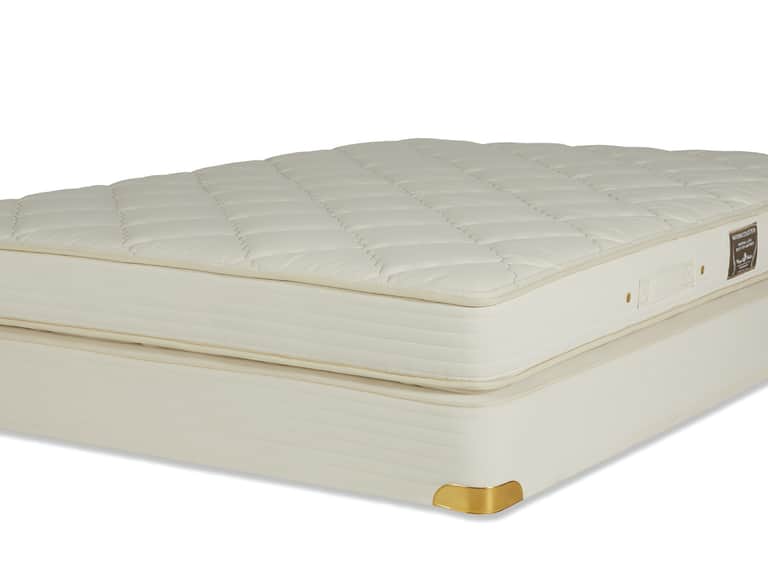
Royal-Pedic Natural Latex Quilt-Top Mattress
Latex core with wool and cotton encasement
A latex-based core wrapped in French wool and cotton provides temperature regulation, mold resistance, and durable support. The quilt-top construction emphasizes a plush yet supportive surface, with a resilient, long-lasting foundation suitable for sleepers seeking natural materials and a premium feel.
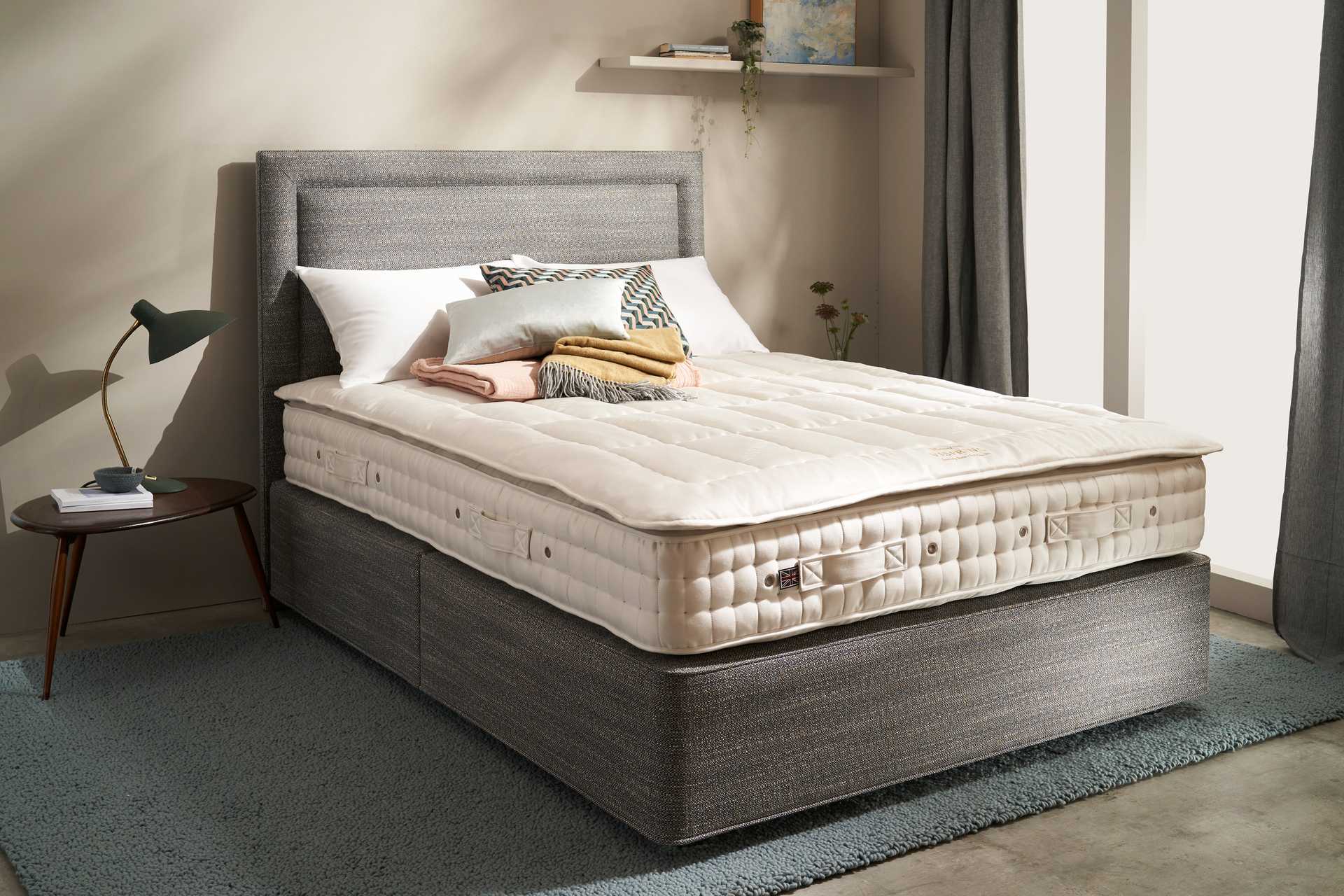
Images shown are representative of the types of materials and design features associated with these models. Availability and specific configurations vary by retailer.
Glossary: key terms every innerspring learner should know
To help you navigate product descriptions and guides, here’s a quick glossary of common terms you’ll encounter:
- Gauge: The thickness of the coil wire. Lower gauge means thicker wire and often firmer support.
- Coil count: The number of coils in the unit. Higher counts can offer more even support and better contouring depending on design.
- Edge support: Construction near the mattress edge that prevents collapse and maintains surface usability.
- Pocket coils: Individually wrapped coils that respond independently, reducing motion transfer and improving contouring.
- Tufting: A method of anchoring the layers in place with tied knots, often contributing to durability and a high-end appearance.
Frequently asked questions about innerspring mattresses
Common questions reveal what sleepers value most: durability, comfort, and support. Here are concise answers to some popular queries:
- Are innerspring mattresses good for back pain? They can be, especially models with strong edge support and targeted lumbar contouring. The right firmness and coil design matter as much as the top comfort layers.
- Do innerspring beds sleep hot? Temperature regulation often depends on the coil design and the materials in the comfort layers. Pocketed coils and breathable natural materials can improve airflow.
- How long do innerspring mattresses last? With quality construction, many innerspring beds last 7–10 years or longer, especially if you rotate regularly and provide proper support.
Why an educational approach matters for mattress shopping
In a marketplace crowded with brands, a resource that clarifies the technology behind innerspring systems helps consumers make informed choices without feeling pressured into a particular product. By presenting the facts—coil types, construction quality, maintenance tips, and realistic expectations—this guide aims to empower readers to identify beds that align with their sleep biology and lifestyle.
A humane takeaway: aligning sleep needs with inner springs
Ultimately, the inner springs of a mattress symbolize resilience and support—the quiet engineering that makes a great night’s sleep possible. When you pair robust coil systems with thoughtful comfort layers, reinforced edges, and proper foundations, you’re crafting a sleeping surface that can adapt to your changing needs over time. The innerspring is not merely a mechanism; it is a long-term partner in your health, mood, and daily performance.
About the content and how to use this resource
This educational resource is designed to be an evergreen reference for anyone curious about innerspring mattresses. It covers how innersprings work, how they compare with memory foam, latex, and hybrids, and practical steps for maintenance and selection. The content is written in an accessible, editorial voice meant to feel like a conversation with a sleep-conscious friend, while staying grounded in evidence-based guidance and industry understanding.
Historical and contemporary voices in sleep science
To enrich this guide with diverse perspectives, we spotlight three key individuals from different time periods who helped shape our understanding of sleep, comfort, and mattress technology. Their ideas echo through modern innerspring design, informing how engineers, clinicians, and product designers think about support and rest.
1) Sir James H. B. Bonnell (late 19th century)
Pioneer of early coil bed innovations
Bonnell’s approach to interlocking coil systems laid groundwork for dependable spring support. His innovations helped shift the mattress from primitive pads to more structured sleep platforms, enabling better distribution of body weight and improved durability.
2) John Monroe (mid-20th century)
Advocate for supportive yet comfortable bedding
Monroe championed better edge support and coil distribution to reduce motion transfer and sag. His work influenced modern coil counts and the emphasis on maintaining a stable sleeping surface for couples and mixed-weight sleepers.
3) Dr. Elena Kavanagh (late 20th–early 21st century)
Sleep ergonomics and evidence-based design
Kavanagh integrated ergonomic research with consumer mattress development, highlighting the importance of spinal alignment, pressure distribution, and breathable materials. Her work underscored how design choices affect sleep quality, shaping modern recommendations for mattresses with supportive cores and breathable top layers.
Product spotlight: Aireloom Luxetop M2 Plush and Royal-Pedic Latex Quilt-Top Mattress
Aireloom Luxetop M2 Plush
Aireloom’s patented Lift technology meets plush comfort
The Luxetop M2 Plush brings together hand-tufted craftsmanship, breathable cotton, graphite-infused Visco memory foam, and dual micro coil layers for targeted contouring. Its 15-gauge individually wrapped coils and reinforced edges offer spinal alignment, motion isolation, and durable edge support, delivering a plush, luxurious sleep surface.
Note: Availability varies by retailer; product details reflect typical configurations for educational purposes.
Royal-Pedic Natural Latex Quilt-Top Mattress
Natural materials meet engineering for temperature regulation
This model features a natural latex core encased in French wool and cotton—providing mold resistance, humidity control, and a plush yet sturdy surface. The quilt-top design supports comfort while maintaining durability across years of use.
Note: Availability varies by retailer; product details reflect typical configurations for educational purposes.
Images and product descriptions are provided for illustrative purposes to accompany the educational content and do not represent endorsements.
If you’d like a concrete content plan, I can outline a site structure, 12 starter topics with outlines, and an editorial calendar focused on keyword ideas for the innerspring niche.