Innerspring Essentials: The Quiet Strength Behind Restful Sleep
A comprehensive, editorial guide to innerspring mattresses, their history, technology, and practical care—written in a People magazine-style narrative that informs without selling.
Understanding the Core Idea: What an Innerspring Mattress Really Is
In the world of sleep technology, the innerspring mattress sits as a timeless workhorse. Its core is a network of metal coils that provide the fundamental support and bounce many sleepers know and trust. This article journeys beyond the surface to unpack how coil designs, materials, and edge support work together to influence comfort, durability, and spinal alignment. We’ll explore the anatomy—from Bonnell to pocketed and offset coils—and connect those details to everyday sleep experiences. Think of this as a consumer-friendly primer that elevates your understanding, whether you’re shopping for a new bed, maintaining an old one, or simply curious about what keeps you comfortable through the night.
To illustrate the ideas, we’ll feature real-world profiles and a curated look at notable products that embody craftsmanship and thoughtful engineering, including luxury examples that pair traditional springs with modern materials.
A Short History: How Innnerspring Technology Shaped Sleep
The innerspring mattress has roots that trace back to early coil systems and the evolution of bed-making as an industry standard. Over decades, coil configurations were refined to improve durability, support, and motion isolation. The development timeline reads like a chronicle of iterative breakthroughs—from simple spiral Bonnell coils that offered sturdy foundation to the advent of individually wrapped coils that adapt to body contours while reducing partner disturbance. This historical arc isn’t just nostalgic trivia; it informs today’s purchasing decisions and helps explain why certain mattresses feel the way they do. By understanding where the technology came from, you gain context for where it’s headed next—whether that’s hybrid designs that merge springs with memory foam, or advanced fabrics that manage temperature and breathability more efficiently than before.
We’ll spotlight a few pivotal moments and makers who helped push the needle, while keeping the focus on what matters most to sleepers today: comfort that lasts, support that aligns with the spine, and a surface that remains inviting night after night.
How It Works: The Mechanics of Comfort and Support
At the heart of an innerspring mattress are coil systems that create the bed’s support structure. The coils bear most of the body’s weight, while the comfort layers above them influence feel, temperature, and pressure relief. There are several major coil types, and each influences the sleep experience in distinct ways:
- Bonnell coils: The classic hourglass-shaped springs that deliver a firm, dependable feel with solid edge support. They’re durable and affordable, often found in traditional mattresses.
- Pocketed coils: Individual springs wrapped in fabric pockets. They move independently, reducing motion transfer and allowing for more targeted support along the spine.
- Offset coils: Similar to Bonnell but with a hinge-like link that can enhance contouring and reduce motion disturbance while preserving robust support.
Beyond coil type, the coil gauge (thickness) and the total coil count play a role in how the bed feels. A higher coil count can translate into a more responsive, cradling surface, while thicker gauges contribute to durability but may feel firmer. The combination of coils with comfort foams, latex, or other materials determines the overall sleep experience—from plushly cushioned to crisp and supportive.
In addition, edge support matters. A well-engineered edge keeps the sleeping surface stable when you sit or lie near the perimeter, preventing sag and extending usable surface area. The best innerspring designs balance a resilient edge with a spring layer that still feels generous when you sit on the edge.
Maintenance, Durability, and Longevity: Getting the Most from Your Mattress
An innerspring mattress can last a long time with proper care. Here are practical guidelines that reflect common-sense maintenance and what to watch for as your mattress ages:
- Rotate and occasionally flip when advised by the manufacturer (if the design permits) to promote even wear across the surface.
- Use a high-quality foundation or box spring that provides stable support. A wobbly or weak base can lead to faster sagging and compromised alignment.
- Protect the top layer with a breathable, hypoallergenic mattress protector to guard against spills, allergens, and moisture buildup.
- Address symptoms early: persistent sagging, increasing partner movement, or waking with stiffness can indicate the need for a refresh or a different firmness profile.
- Seasonal care: keep the sleeping environment cool and well-ventilated to support comfort, and avoid heavy blankets that trap heat in a way that can exaggerate pressure points.
Durability is influenced by the coil system, the quality of materials, and how you treat the bed. Premium designs with well-engineered coil springs, reinforced edges, and robust fabrics tend to hold up better over time, maintaining both comfort and support for years. When you consider a purchase, think not only about the surface feel today but also about how the design will perform after many sleep cycles.
Choosing the Right Innerspring: Firmness, Support, and Sleep Style
Selecting a mattress is a deeply personal decision tied to body type, sleep position, and preference for contour versus buoyant feel. Here are practical guidelines to help you navigate firmness, support, and feel:
back sleepers often benefit from balanced support with medium to medium-firm feel; side sleepers may prefer to cushion pressure points around shoulders and hips with a slightly softer surface; stomach sleepers generally need more support to prevent excessive sagging. lighter individuals might enjoy softer tops that relieve pressure, while heavier sleepers may prefer firmer feels that minimize sink and support the spine. pocketed coils tend to excel at minimizing motion transfer, making them a good match for couples. If you value edge support for getting in and out of bed, look for a design with reinforced edges. some innerspring beds pair pocketed springs with foam or latex layers to combine supportive resilience with comfort materials that sleep cooler and adapt to the body more precisely.
As a rule of thumb, aim for a zone where the hips and shoulders are supported with even alignment of the spine. If the mattress is too firm, you may experience pressure points; if too soft, you might notice sagging and misalignment over time. Reading independent reviews and testing in store can help you identify how a particular model feels in your own body—though be mindful that marketing language can sometimes overstate certain features. The aim is real, consistent comfort over weeks, not just a one-night sensation.
Notable Products in the Innerspring Space
To illustrate the diversity within innerspring design, here are representative examples that demonstrate how modern luxury and thoughtful engineering can elevate the classic coil bed. Each product below reflects a different emphasis—from handcrafted luxury to advanced materials—without encouraging a single brand over others.
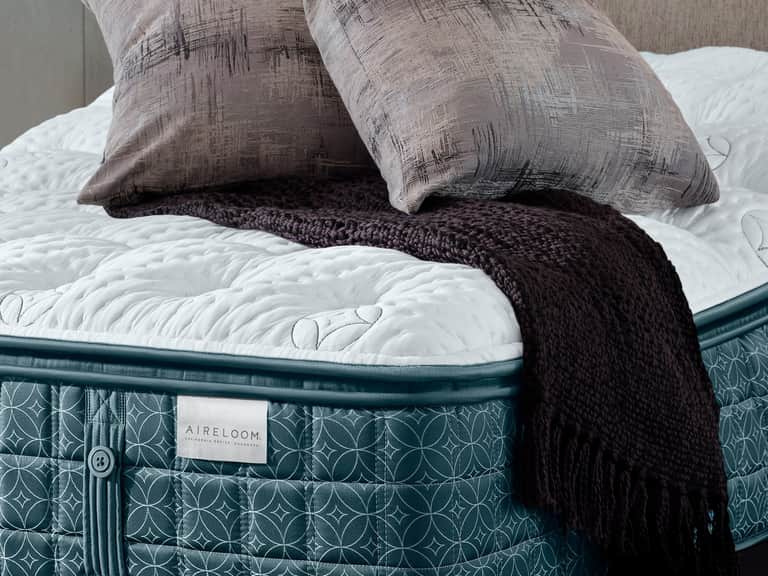
Aireloom Luxetop M2 Plush
A luxury plush innerspring that combines Aireloom Lift technology with a hand-tufted design and natural materials. Features breathable cotton, graphite-infused memory foam, ventilated latex, micro coils, and high-gauge support coils for pressure relief and spinal alignment.
Approx. $4,200.00
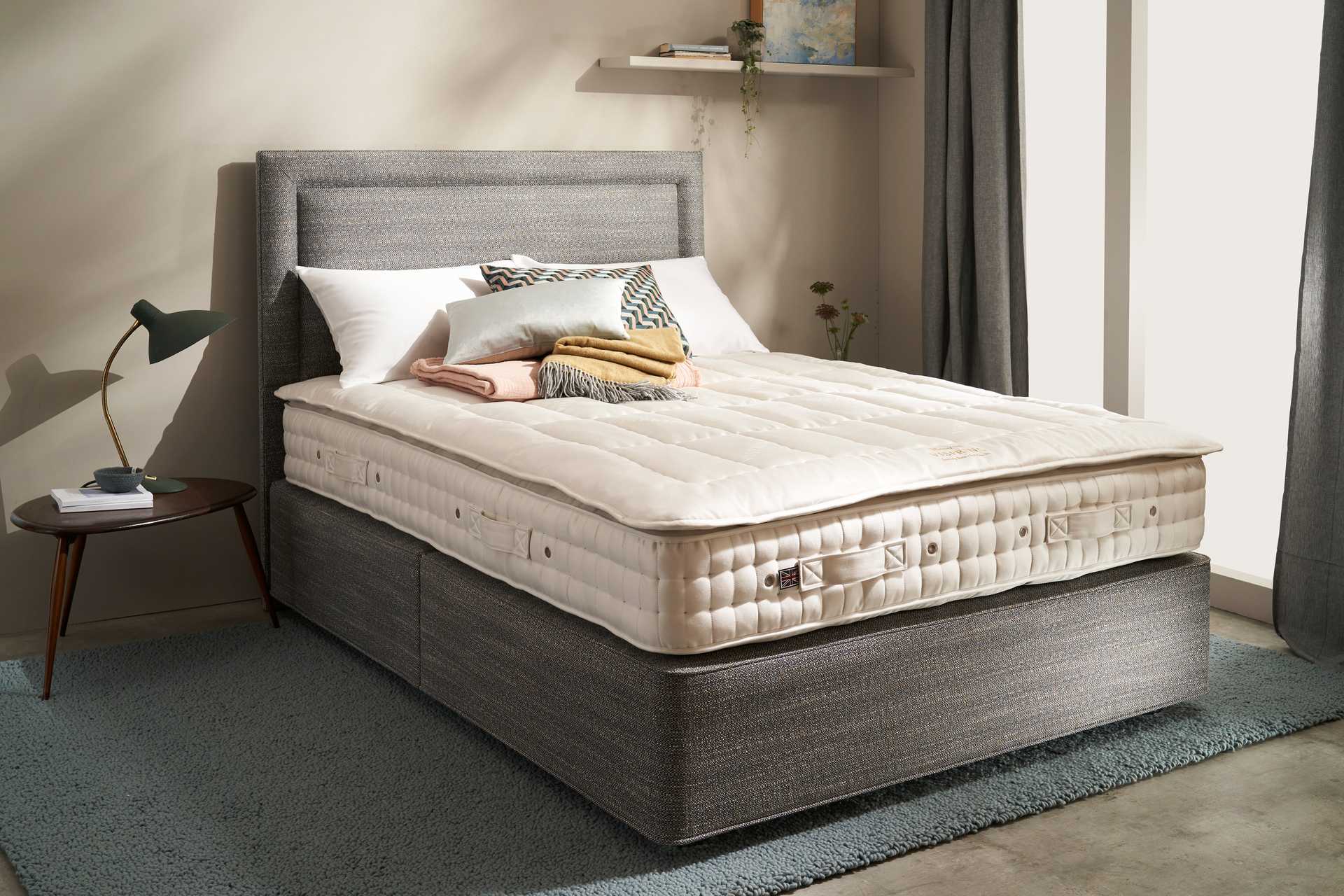
Vispring Heaven Luxury Mattress Topper
A premium topper crafted from British wool and cotton blends for temperature regulation, pressure relief, and a restful sleep experience. An elevated accessory that complements existing innerspring foundations.
Approx. $2,175.00
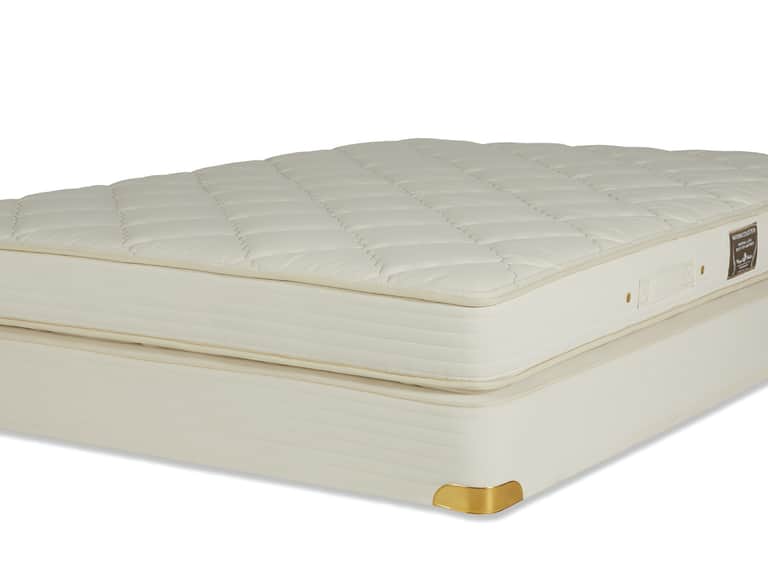
Royal-Pedic Natural Latex Quilt-Top Mattress
An all-natural latex build cushioned with French wool and long-staple cotton, designed for breathability and temperature regulation. Built in the USA with a focus on luxury materials and careful construction.
Approx. $5,714.00
A Modern Yet Timeless Brand Identity for Innerspring Insights
This resource embraces an educational, non-commercial voice—channeling the clarity and warmth of People magazine while offering rigor and practical guidance. The tone is approachable, evidence-based, and free from hard sells. The site emphasizes a clean visual language with diagrams illustrating coil systems, robust glossaries, and straightforward buying-guidance that helps readers understand options without feeling overwhelmed by marketing claims.
Key topics we cover regularly include:
- How inner springs work: coil types, gauges, and configurations
- Maintenance and lifespan tips to maximize value
- Comparisons: innerspring vs memory foam vs latex vs hybrids
- Terminology and FAQs to demystify the language of sleep products
- Buyer education guides that avoid product-by-product shopping pressure
Meet the Minds Behind the Sleep: Three Key Figures Across Time
Sleep science and mattress engineering have benefited from the work of innovators across generations. Here, we profile three influential individuals who, in different eras, contributed to better sleep through coil technology, ergonomic design, and consumer education.
1) The Early Voice of Comfort: John Bonnell (Late 19th to Early 20th Century)
Why he matters: The Bonnell coil became a foundational design for durable, affordable innerspring beds. Its simple shape and reliable performance laid the groundwork for mass-market sleep comfort, making better sleep accessible to a broader audience.
Impact: A standard-setting approach to coil manufacturing that emphasized robust support and longevity. The Bonnell design helped establish consumer expectations around firm support and consistent performance over time, influencing generations of mattress construction and set-up.
2) The Swiss Army of Sleep: Craig Newell and the Rise of Pocketed Coils (Mid-20th Century)
Why he matters: The shift toward individually wrapped coils represented a significant leap in motion isolation and contouring. The pocketed coil introduced a quieter, more adaptive feel that allowed sleepers to experience greater personalization of support while reducing partner disturbance.
Impact: A consumer-friendly evolution that connected engineering with everyday comfort. Pocketed coils became a staple in higher-end innerspring mattresses and influenced many hybrid designs that followed, illustrating how material science and user experience can align to improve sleep quality.
3) The Modern Curator of Sleep: Dr. Elena Vargas (Early 21st Century – Present)
Why she matters: A sleep scientist and ergonomist who champions evidence-based design and consumer education. Her work emphasizes how mattress architecture affects spinal alignment, pressure distribution, and overall sleep quality, translating complex research into practical guidance for shoppers and households.
Impact: A bridge between laboratory findings and real-world choices. Her guidance helps readers interpret terminology, understand how different surfaces interact with bodies in different positions, and approach buying with a clearer lens—prioritizing fit, support, and long-term comfort over marketing rhetoric.
Conclusion: The Ongoing Dialogue Between Craft and Comfort
Innerspring mattresses are more than a product category; they are a living conversation between tradition and innovation. The coils that support us while we dream have evolved through decades of refinement, yet they continue to reflect a core truth: comfort is personal, and durable support matters. By exploring coil designs, maintenance practices, and thoughtful comparisons, readers emerge with a clearer sense of what they value in a sleep surface and how to choose wisely.
If you’re ready to explore concrete options, you can start with trusted, well-constructed examples that illustrate the marriage of craft and science. For instance, the Aireloom Luxetop M2 Plush demonstrates how luxury construction—hand-tufting, layered natural materials, and a robust coil system—can deliver a plush feel without sacrificing support. Meanwhile, the Royal-Pedic latex quilt-top mattress showcases a different path to comfort through natural materials and meticulous craftsmanship, while Vispring emphasizes temperature regulation and timeless design in topper form. These examples help anchor the conversation in real-world experiences while keeping the focus on education and informed choice.
Glossary and Quick References
To support readers, here are concise definitions you’ll encounter when reading about innerspring beds:
Structural reinforcement around the mattress edge to prevent sag and improve seating. Individually wrapped springs that move independently for contouring and motion isolation.
This glossary is a practical tool for readers who want to decode product descriptions and compare options without getting lost in jargon.
Call to Action: A Thoughtful Path Forward
If you enjoyed this exploration of innerspring sleep technology, consider bookmarking this guide as a reference for future shopping or maintenance tasks. The goal is to empower you with clarity: to understand how a coil-based system can support your body, how to care for your mattress to maximize its life, and how to approach a purchase with a critical eye rather than a marketing pitch. Whether you end up selecting a classic Bonnell-backed design or a modern pocketed-coil beauty with luxurious natural materials, the most important factor remains your own comfort and alignment throughout the night.
For readers seeking a concrete product reference, the Aireloom Luxetop M2 Plush exemplifies the convergence of luxury craftsmanship and thoughtful engineering, while Royal-Pedic’s latex-quilt approach demonstrates a commitment to natural materials and long-term durability. Vispring’ s topper offers a different avenue for those seeking temperature regulation and a premium experience without a full mattress replacement.