Mattress Construction & Comfort
Aireloom’s Plush Construction: What Shoppers Should Assess
A plush mattress can sound like an invitation to sink in and switch off. But the label alone cannot tell you how a bed will feel, how its layers work together, or whether its support suits your sleep habits. When comparing Aireloom mattresses, look beyond the brand name: the details that shape comfort and performance can vary by model.
A practical, non-salesy guide to materials, comfort layers, support features, fit, and the questions worth asking before you choose.
Start with the model, not the marketing
Mattress shopping can be full of language that sounds reassuring but leaves important questions unanswered. “Plush,” “luxury,” and “supportive” are useful starting points, not complete descriptions. A plush surface may feel soft at first contact, but that sensation does not reveal how quickly the bed gives way, how deeply you settle, or whether the underlying support keeps your body comfortably aligned.
Aireloom is a brand shoppers may encounter while exploring luxury sleep surfaces. Its name, however, should not be treated as a shortcut to understanding any particular mattress. Models may differ in construction, materials, height, comfort layers, and firmness options. The most helpful comparison begins with the specifications for the exact model and configuration you are considering.
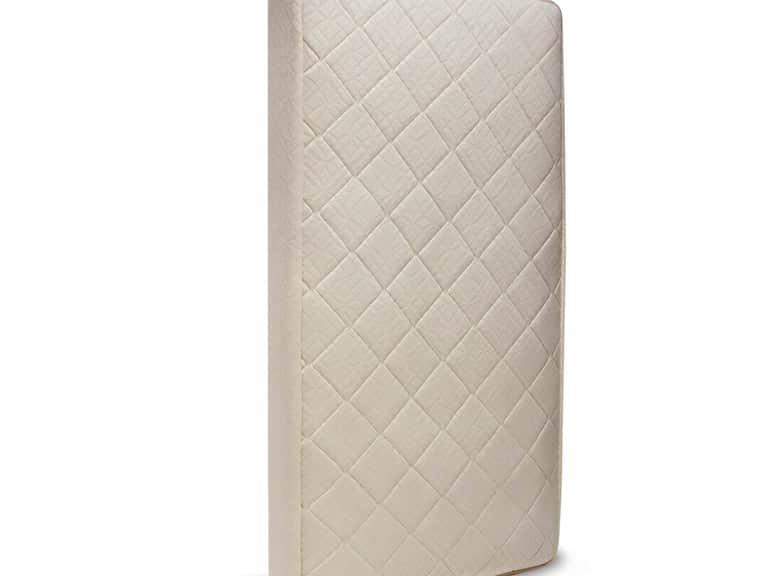
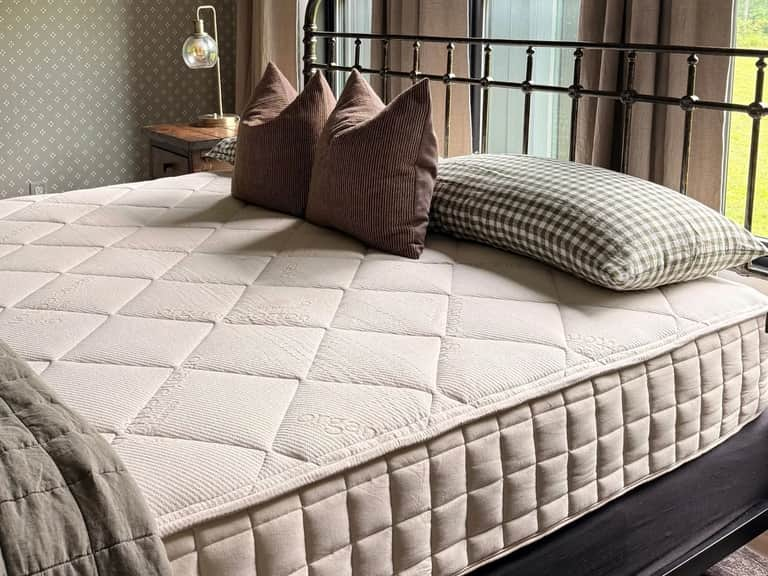
Think of a mattress as a combination of parts rather than one uniform block. The cover and quilting create the first impression. Comfort layers influence cushioning and pressure distribution. A support system carries more of the body’s weight and affects how the mattress responds as you move. The way those parts are assembled can make two beds with similar labels feel distinctly different.
That distinction matters especially when a mattress is described as plush. A soft surface can feel welcoming in a showroom, but your everyday experience depends on the whole construction—not just the uppermost layer or the word printed on the tag.
What “plush” tells you—and what it doesn’t
In everyday terms, plush suggests a softer, more cushioned feel than a firm surface. It does not provide a universal measurement, and there is no guarantee that every shopper or every brand uses the word in precisely the same way. One company’s plush may feel gently yielding; another model’s version may feel more deeply padded or more resistant beneath the cushioning.
It is also important to separate surface softness from overall support. A mattress can have a cushioned top and a supportive core. Conversely, a surface that feels soft in a brief test may not give a particular sleeper the comfort or stability they need over a full night. Comfort is personal, but a useful assessment asks how the mattress feels at the hips, shoulders, and other areas that meet the bed—not simply whether the top feels soft when pressed with a hand.
When you see a plush designation on an Aireloom model, ask what it refers to. Is it the overall comfort level, a particular upholstery package, or one choice within a range? Is the model offered in other feels? Does a different configuration use the same support design with a softer or firmer upper layer? A clear answer helps you compare like with like rather than assuming the label tells the whole story.
Keep your expectations grounded, too. A mattress is not a medical treatment, and a product description cannot promise relief from pain or guarantee better sleep. If you have persistent discomfort or a health concern affecting sleep, a qualified healthcare professional can offer guidance tailored to you.
Read the construction details layer by layer
Product specifications can look dense, but a few targeted questions make them easier to interpret. Start at the sleep surface, then work downward. The aim is not to memorize a list of materials. It is to understand what is in the mattress, how the layers are arranged, and which details might affect the feel you are seeking.
The cover and quilting
The outer fabric and any quilted material form the first point of contact. Check what the manufacturer lists for the cover and the layers quilted into it. These details can affect how the surface initially feels, how smoothly it responds to movement, and how much cushioning is present before you reach deeper comfort layers. If the information is vague, ask for a written specification rather than relying on broad descriptions such as “premium” or “plush.”
Comfort layers
Look for the materials and approximate thickness of the layers above the support system, when those details are available. These layers influence the mattress’s initial softness and the way it accommodates your shape. More padding does not automatically mean more comfort for every sleeper. Layer composition, density, arrangement, and the support beneath them all contribute to the final feel.
Ask whether the model’s comfort materials are consistent across sizes and versions. If there are multiple firmness choices, determine what changes between them. A model name may remain similar even when the configuration or comfort package differs, so it is sensible to confirm the exact option on the order documents.
The support system
Find out what supports the comfort layers and how that system is described. If the mattress uses coils, ask whether the coils are connected or individually wrapped, and whether the manufacturer provides details about zoning or perimeter reinforcement. If it uses a different support construction, ask how that structure is designed to respond to weight and movement. These features can influence the way a mattress feels across its surface, but a technical term by itself does not prove that a bed will suit your body or preferences.
Coil count and similar headline numbers deserve context. A larger number alone does not tell you the complete quality or feel of a mattress. Coil design, materials, layout, and the layers above and below the system are all relevant. The same principle applies to other specifications: a number or feature is useful when you understand what it means for the particular model, not when it is treated as a stand-alone verdict.
Match the feel to the way you sleep
Before testing a bed, think about what comfort means to you. Do you prefer a surface that feels cushioned immediately, or one that feels steadier as soon as you lie down? Do you usually sleep on your side, back, or stomach? Do you change positions through the night? These questions will not identify a perfect mattress by themselves, but they can help you compare options with more purpose.
Side sleepers often pay close attention to how the shoulder and hip feel against the surface. Back sleepers may focus on whether the mattress feels even and comfortable along the body. Stomach sleepers may have different preferences around how much their midsection settles. These are broad considerations, not rules: body shape, personal comfort, and individual needs vary widely.
Try a mattress in the position you usually sleep in, and stay there long enough to notice more than the first impression. If you share a bed, test it together where possible. Pay attention to how much the surface moves when one person shifts, whether the edges feel stable when sitting or lying near them, and whether both sleepers can find a comfortable position. A showroom test has limits, but a deliberate one can reveal more than a quick sit at the side.
For online or remote comparisons, use the written descriptions and policies carefully. Ask whether a home trial is offered, how returns or exchanges work, and whether there are fees or specific requirements. Policies can change and may differ by seller, so confirm the current terms before placing an order rather than relying on a general impression.
Assess support without chasing a magic firmness
Firmness and support are related ideas, but they are not interchangeable. Firmness describes the surface feel people commonly notice first. Support concerns how the mattress carries weight and maintains a comfortable sleeping position. Shoppers sometimes assume that firmer always means more supportive, or that plush always means a lack of support. Neither assumption is reliable across all mattress designs and sleepers.
When testing an Aireloom option, notice whether the cushioning feels comfortable without making it difficult to settle into a relaxed position. Check whether you feel supported rather than sharply pressed at contact points. If you are sharing the mattress, consider whether each person experiences the surface similarly; differences in body size, preferred position, and sensitivity can lead to different impressions of the same bed.
Ask the retailer to explain the support design in plain language. If a feature is described as zoned, reinforced, or designed for edge support, ask where it is located and how it is intended to function. A clear explanation is more helpful than a string of technical terms. You can then decide whether that construction sounds relevant to your preferences.
Don’t overlook motion, edges, and the bed beneath
Comfort is not only about the part of the mattress directly under your shoulders. If you share a bed, movement transfer may matter. One person’s changing position can be more noticeable on some constructions than on others. Test this when practical by having one person move while the other pays attention to the sensation. Treat the result as one observation, not a guarantee of how every night will feel.
Edge support can also affect everyday use. Consider whether you sit on the side while getting dressed, sleep near the edge, or use most of the mattress surface. Ask whether the construction includes specific perimeter reinforcement, then test the edge in a safe, ordinary way. The feel may differ between sitting and lying down, so try both if those activities matter to you.
Finally, check the foundation or bed frame requirements. A mattress’s performance and longevity can depend on an appropriate, adequately supportive base. Confirm what type of foundation is compatible, how far apart any slats should be, and whether an adjustable base is permitted. Do not assume that a frame already in your home meets the requirements just because it fits the mattress dimensions.
Check the practical details before deciding
A luxurious feel is only one part of a purchase. Before choosing a model, verify its dimensions and height, including any topper or foundation that will affect the overall bed height. Confirm that it fits your room, frame, stairways, and delivery route. If you are replacing an existing mattress, compare the size labels carefully; even familiar terms can be confusing when a frame or bedding is nonstandard.
Read the care instructions. Some mattresses are designed to be rotated, while others may have a designated top and bottom. Do not flip or rotate a bed unless the maker’s instructions allow it. Ask whether a mattress protector is recommended and whether it could change the surface feel. A breathable protector can help shield against ordinary spills and wear, but fit and material can influence how it feels under sheets.
Warranty language deserves a close look as well. Check the length of coverage, what kinds of defects are included, how a claim is assessed, and whether particular foundations or care practices are required. A warranty is not the same as a promise that a mattress will feel unchanged throughout its life, and normal comfort preferences are not necessarily covered. Keep purchase documents and follow the manufacturer’s care guidance.
Ask about delivery, setup, removal of an old mattress, and return or exchange terms. Get the full cost in writing, including relevant service charges. These practical details may not be as exciting as comparing a plush top, but they can make the experience more predictable and help prevent unwelcome surprises.
A simple comparison checklist
When you narrow the choice to a few Aireloom models, put their specifications side by side. That makes it easier to spot meaningful differences instead of relying on memory or showroom impressions.
- Write down the exact model name and comfort configuration.
- Compare the listed cover, quilting, comfort materials, and support construction.
- Record mattress height, available sizes, and any compatible foundation requirements.
- Test each mattress in your usual sleep position, allowing time to notice the feel.
- If sharing the bed, consider movement, edge feel, and each sleeper’s preferences.
- Review care instructions, warranty terms, trial or return policies, and delivery costs.
- Save the current specification sheet and purchase terms for the exact configuration you select.
Keep notes in straightforward language: “softer at the shoulder,” “more stable at the edge,” or “felt too yielding after several minutes.” Personal observations are more useful than trying to assign a universal score to comfort.
Questions worth asking a retailer
A good conversation can turn an impressive description into practical information. Consider asking:
- What materials and layers are included in this exact model and firmness option?
- How does this plush configuration differ from the other available feels?
- What support system does it use, and are there any documented edge or zoning features?
- What foundation or frame does the manufacturer require?
- How should the mattress be cared for, and is rotation recommended?
- What do the warranty and comfort-trial terms cover, and what exclusions apply?
- Are delivery, setup, old-mattress removal, or return services additional?
If an answer is unclear, ask for the relevant details in writing. That is not fussy; it is a sensible way to compare a substantial household purchase. Clear, model-specific information is more useful than a broad assurance that a mattress is popular or made to a high standard.
The takeaway: choose the construction, not just the name
Aireloom’s plush options may appeal to shoppers looking for a cushioned, luxury-style sleep surface, but the right choice depends on the details of the individual model and your own comfort preferences. Start with the listed materials and layer arrangement, understand the support system, and test the bed in the way you actually sleep. Then weigh those impressions against practical matters such as foundation compatibility, care, warranty, and return terms.
There is no single firmness label or construction feature that can predict comfort for everyone. The clearest path is a careful, model-by-model comparison: verify what is inside, notice how the whole mattress feels, and make sure the written specifications match the configuration you intend to buy. When the details line up with your needs, the decision becomes less about the promise of “plush” and more about finding a sleep surface that feels right for you.